65 settlements destroyed in southern Lebanon, civilians unable to return home
Beijing, November 27 (Hibya) – Despite the ceasefire between Israel and Lebanon that came into effect on November 27, 2024, hostilities continue, with approximately 65 settlements in southern Lebanon largely destroyed, according to a United Nations report. Military operations and damage to infrastructure in the region are preventing civilians from returning to their homes.
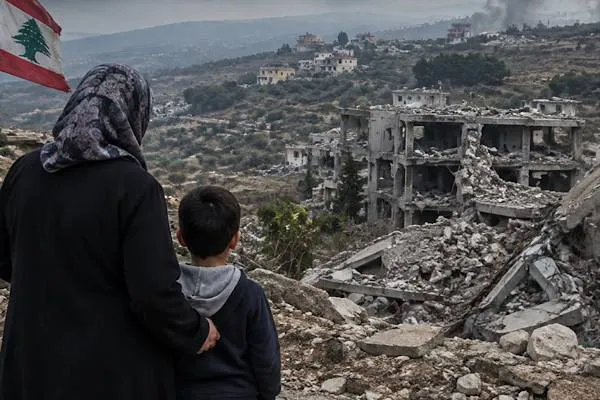
According to a report by China Central Television (CCTV), hostilities in the region have not ended despite the ceasefire agreement between Israel and Lebanon that came into effect two years ago. Israeli airstrikes and the reported expansion of the “Yellow Line” in southern Lebanon have resulted in the destruction of numerous settlements, leaving residents unable to return to their homes.
The report stated that hostilities continued after the ceasefire came into effect on November 27, 2024, and that tensions escalated again after the United States and Israel launched military operations against Iran on February 28, 2026. Hezbollah reportedly launched rocket attacks against northern Israel on the evening of March 2, while Israel carried out attacks targeting Beirut and southern Lebanon. The Israeli military reportedly continued its attacks on southern Lebanon in May.
According to the relevant United Nations (UN) report, as of October 20, 2026, approximately 65 settlements in southern Lebanon had been almost completely destroyed and were inaccessible. The United Nations Interim Force in Lebanon (UNIFIL) also stated in a release issued this month that ongoing military operations and extensive damage to homes and infrastructure were preventing residents from returning.
Ahmed Abus, the 62-year-old village head of Hiniyah in the Tyre region of southern Lebanon, said that approximately 60 percent of the village’s homes had been destroyed in airstrikes and that only 30 percent of its residents had managed to return. Abus stated that three people who returned to the village to retrieve their belongings following the resumption of hostilities in March had been killed in an Israeli airstrike.
Abus’s brother, Diab Hussin, said that his home had been destroyed during two separate periods of fighting. He stated that the house he had rebuilt following the initial attacks was bombed again in May 2026.
CCTV reported that the “Yellow Line,” reportedly established by the Israeli military in the village of Mansouri, south of the Tyre region, had divided the settlement in two. The report stated that the Israeli military had advanced northward from south of the Blue Line, which was established in 2000 and is monitored by the UN, and continued demolishing buildings in villages. Schools and hospitals in the region were also reportedly damaged, in addition to residential buildings.
In May, Lebanese Prime Minister Nawaf Salam accused Israel of displacing civilians by destroying towns and villages in the south of the country, describing the practice as a “scorched-earth policy.”
Usa News Agency
 Facebook
 Tweeter
 Whatsapp