Extreme fire conditions in Spain and Portugal worsened by climate change
Stockholm, September 4 (Hibya) - Initial analyses show that the extreme weather conditions that caused last month’s “astonishing” fires across Spain and Portugal have become 40 times more likely due to climate change.
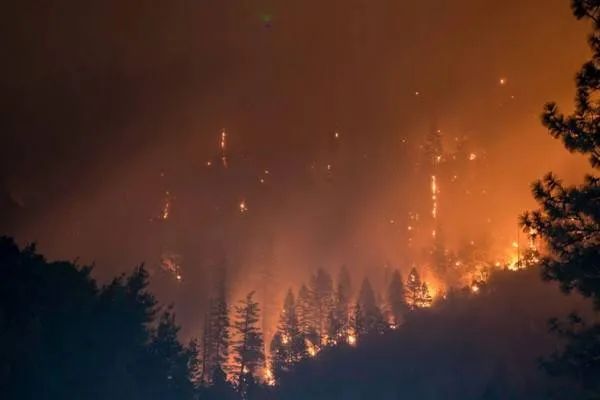
According to researchers from the World Weather Attribution network, the deadly wildfires that turned 500,000 hectares (5,000 km²) of the Iberian Peninsula into ashes within weeks were 30% more intense than scientists would have expected in a world without climate change.
Clair Barnes, a climate scientist at Imperial College London and co-author of the study, said: “The scale of these fires was truly astonishing. With climate change, hotter, drier and more flammable conditions are intensifying, leading to fires of unprecedented severity.”
The researchers found that in a pre-industrial climate, such conditions might have occurred once every 500 years, but in today’s world, warmed by pollution from coal, oil and gas, they can be expected every 15 years.
They also found that the impacts of climate disruption on extreme heat were even stronger. Last month, 10-day maximum temperatures in the region would have been expected once every 2,500 years before industrialisation. Now such values occur every 13 years.
The study, which has not yet been peer-reviewed, relied on weather observations rather than climate model analyses that the group typically carries out immediately after destructive weather events. A more comprehensive analysis of the wildfires in Turkey and Greece, published last week, showed that climate disruption made extreme weather conditions 10 times more likely.
Changes in land use have also further increased the risk of regional wildfires. Many hot Mediterranean countries have struggled to cope with rural abandonment and an ageing population, as young people move to cities, leaving unmanaged farmland with highly flammable vegetation.
Usa News Agency
 Facebook
 Tweeter
 Whatsapp