Sherlock Holmes' creator warned him, but he chose the Gallipoli front
Mehmet Bayer, July 28 (Hibya) - During World War I, Sir Arthur Conan Doyle, the creator of the legendary Sherlock Holmes, advised John Frederick Chaplin, who had been living with him, not to enlist in the army.
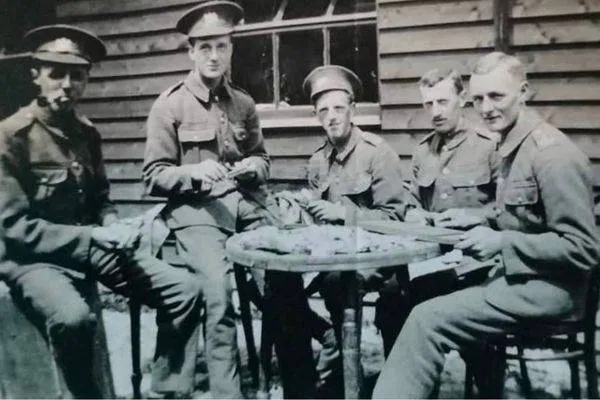
During World War I, Sir Arthur Conan Doyle, the creator of the legendary Sherlock Holmes, advised John Frederick Chaplin, who had been living with him, not to enlist in the army. However, the 21-year-old from Manchester could not ignore his country's call for volunteers and, one year later, found himself in the bloody trenches of Gallipoli.
Ignoring Sir Arthur Conan Doyle's advice to "stay out of the war," Chaplin contracted dysentery at Gallipoli and was evacuated from the front. Philip Chaplin, the grandson of the Gallipoli veteran who lived to the age of 100, shared with Hibya News Agency his grandfather's respect for Turkish soldiers and little-known aspects of the war.
He ignored the warning
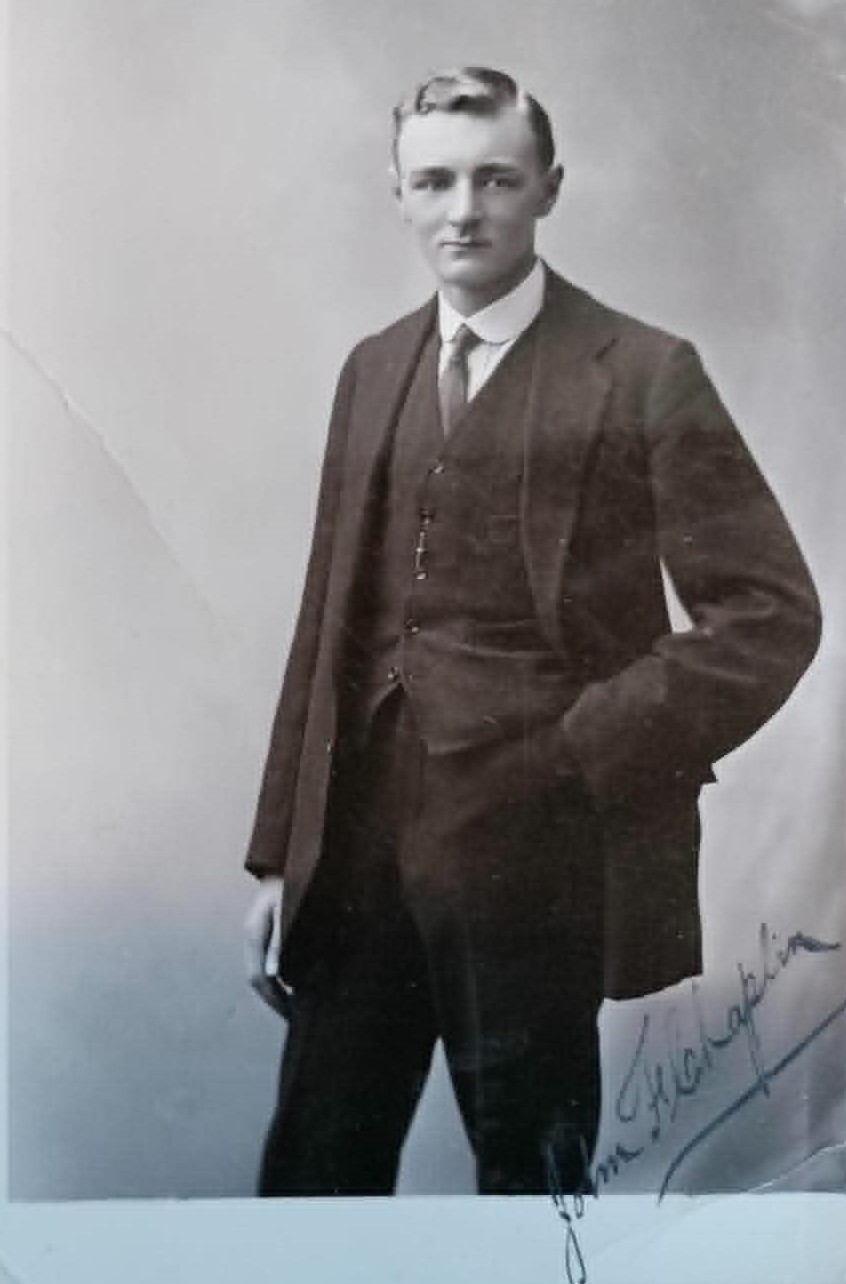
Born in Manchester, England, in 1893, John Frederick Chaplin worked as a clerk for a cotton trading company before the war. Having lived for a time with the famous author Sir Arthur Conan Doyle, who was a friend of his uncle, Chaplin was advised by Doyle not to enlist after the writer described the horrors of war.
Like thousands of young British men of his generation, however, he believed it was his duty to serve his country and voluntarily joined the 1/6th Manchester Battalion on September 29, 1914. He completed his training in Crowborough. One of the memories he cherished throughout his life was Lady Conan Doyle attending the barracks to watch his graduation ceremony.
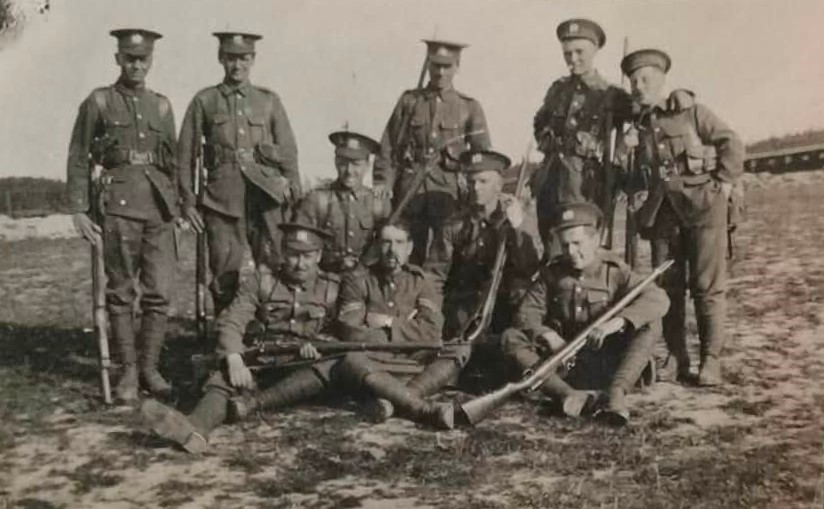
He could not leave the shoreline for 4–5 months
Chaplin arrived on the Gallipoli Peninsula in August 1915. According to his grandson Philip Chaplin, his grandfather spent months almost entirely confined to the shoreline. One of the events he remembered most vividly was the hand grenades thrown from the Turkish trenches. He recalled that they tried to knock away the grenades that landed on the protective nets stretched over the British trenches by striking them with the butt or barrel of their rifles.
The Turks were good soldiers and good people
Philip Chaplin said that, even decades after the war, his grandfather never uttered a single hateful word about the Turks. He explained that John Frederick Chaplin always spoke of Turkish soldiers with respect, saying, "My grandfather always described the Turks as good soldiers. My impression was that he also regarded them as good people."
Philip Chaplin added that his grandfather, who was a kind and deeply religious man, never glorified war. He believed that many books written after the war exaggerated events. In his opinion, the novel All Quiet on the Western Front, which depicts trench life through the eyes of a German soldier, came closest to the reality of war.
The greatest enemy was not bullets, but flies
Chaplin's memories were shaped not only by combat but also by the harsh living conditions at the front.
He recalled that food and drinking water were covered with flies within seconds and that trying to drive them away was futile because thousands more would immediately return.
After enduring these harsh conditions for months, Chaplin contracted dysentery. As his condition worsened, he was evacuated from Gallipoli aboard one of the last hospital ships to leave the peninsula. Following months—and even years—of treatment, he eventually recovered but was never sent back to the front for the remainder of the war.
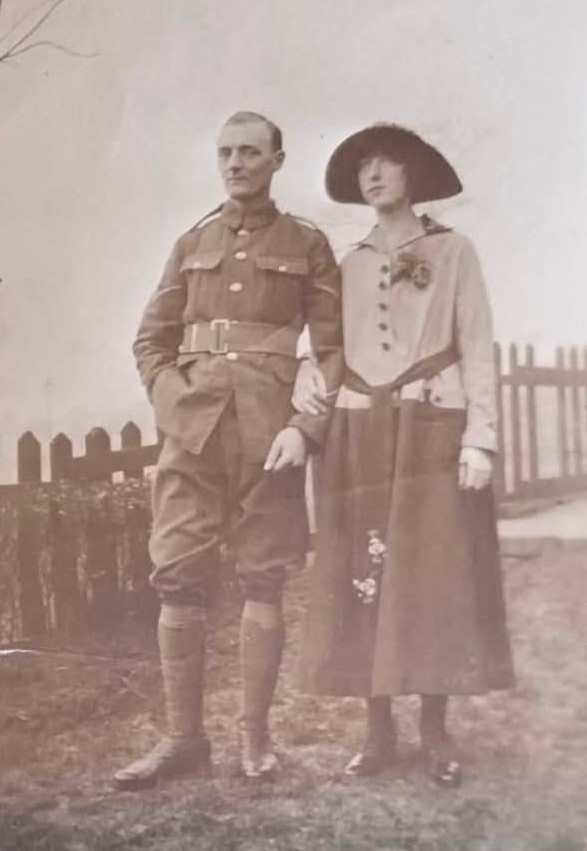
His comrade remained at Gallipoli
Jack Chaplin's closest friend, with whom he had enlisted, lost his life in the trenches of Gallipoli. Chaplin remained in the army until the end of the war but was discharged in November 1918 and returned to the cotton trading company where he had worked before the conflict. He later established his own wholesale fruit and vegetable business at Manchester's Smithfield Market. After retiring in the late 1950s, he moved to Colchester, where his son was stationed. Following the death of his wife, he continued living independently until the age of 98. Shortly after celebrating his 100th birthday in 1993, he passed away. At the time, he was believed to have been one of the oldest surviving veterans of the Gallipoli Campaign.
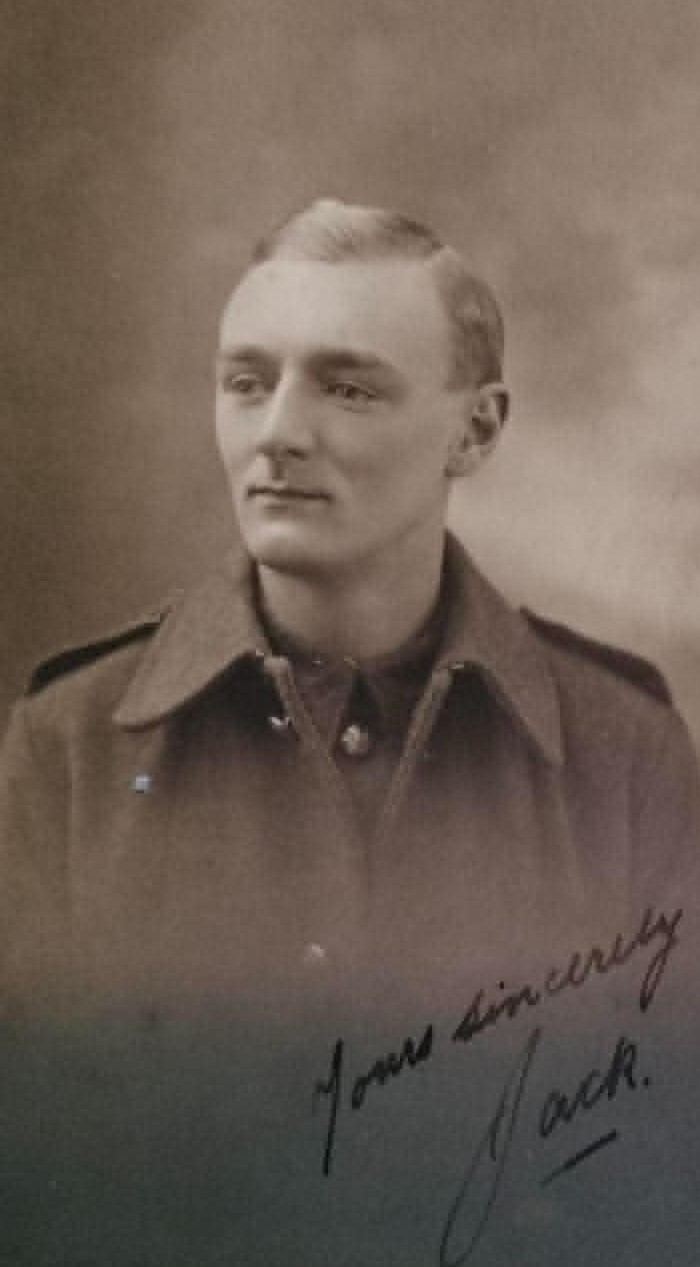
My grandfather was not a hero
Philip Chaplin, a retired telecommunications company owner living in Norfolk, England, said that his grandfather never considered himself a hero.
He noted that the family had never viewed him that way either, saying, "He was simply a young man who believed he was doing what his country expected of him in 1914. He had no hatred toward the Turks. During the war, he only tried to do his very best for the men serving alongside him."
Although 111 years have passed since the Gallipoli Campaign, the memories of John Frederick Chaplin continue to stand as a quiet testament to the mutual respect and shared suffering that emerged between people who once faced each other on the battlefield.
Usa News Agency
 Facebook
 Tweeter
 Whatsapp