EU and its 27 member states provided 40 percent of global humanitarian aid
Brussels, August 19 (Hibya) - The European Union (EU) and its 27 member states provided 40 percent of humanitarian aid worldwide in 2025. The EU expects 239 million people to need humanitarian assistance in 2026 and has set its humanitarian aid budget at €1.9 billion.
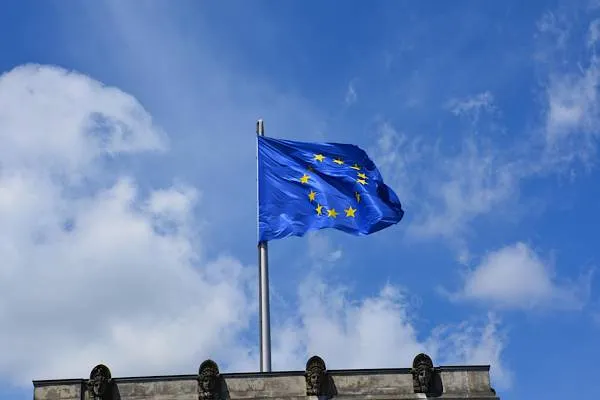
The EU and its 27 member states continue to provide humanitarian assistance to populations affected by natural disasters and human-made crises. Through this aid, the EU aims to save lives, prevent and alleviate human suffering and protect human dignity.
According to EU data, around 239 million people worldwide are expected to need humanitarian assistance in 2026. According to United Nations data, by the end of 2025, one in every 70 people worldwide had been forcibly displaced. This corresponds to 1.4 percent of the global population.
The EU and its 27 member states provided 40 percent of global humanitarian aid in 2025. The EU's humanitarian aid budget for 2026 was set at €1.9 billion.
The EU has been providing humanitarian assistance in more than 110 countries since 1992. Aid is delivered to crisis areas including Gaza, Syria, Sudan, South Sudan, Ukraine, the Sahel region, Yemen, Myanmar, the Democratic Republic of the Congo, Afghanistan and Haiti.
The EU's humanitarian aid operations are coordinated by the European Commission's Directorate-General for European Civil Protection and Humanitarian Aid Operations. EU-funded assistance is implemented on the ground through more than 200 partner organizations, including United Nations agencies, the International Red Cross and Red Crescent Movement, and international and national civil society organizations.
Aid includes food security, nutrition support, emergency health services, water and sanitation, shelter, protection from physical and psychological harm, education in emergencies and cash assistance.
The EU conducts its humanitarian assistance on the basis of the principles of neutrality, humanity, independence and impartiality. The aim is to deliver aid to people in need without discrimination based on race, ethnic origin, religion, gender, age, nationality or political opinion.
The EU also provides support to strengthen crisis-response capacity and increase the resilience of the most vulnerable communities, as climate change increases the frequency of disasters such as floods, droughts and hurricanes.
Usa News Agency
 Facebook
 Tweeter
 Whatsapp