UN: Water is at the center of the climate crisis
New York, April 12 (Hibya) - According to United Nations data, climate change is disrupting the water cycle, increasing both water scarcity and disasters such as floods and droughts.
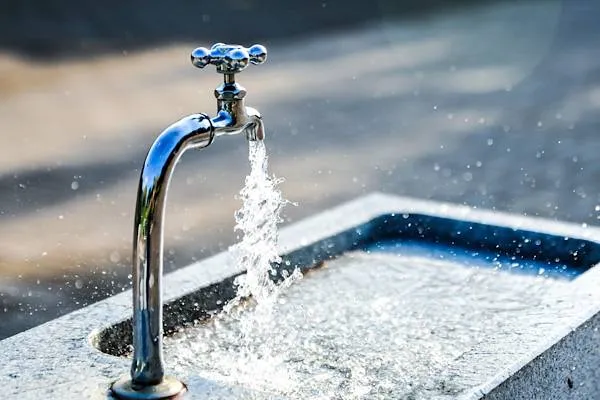
The United Nations drew attention to the effects of climate change on water resources, reporting that both water scarcity and water-related disasters are increasing globally. It was emphasized that rising temperatures are disrupting precipitation patterns and directly affecting the water cycle.
It was stated that more than 2 billion people worldwide do not have access to safe drinking water, while about half of the global population experiences severe water scarcity during certain periods of the year. It was noted that this situation is expected to worsen further with climate change and population growth. It was also reported that only 0.5 percent of the water on Earth is usable freshwater, and that over the past 20 years, terrestrial water storage, including soil moisture, snow, and ice, has declined by an average of 1 centimeter per year.
The statement noted that the melting of glaciers, snow cover, and frozen ground has serious impacts especially on people and ecosystems living in mid- and high-latitude regions and mountainous areas. It was added that this situation directly affects areas such as irrigation, hydropower generation, and drinking water supply.
It was stated that climate change, together with land use and pollution, leads to the degradation of freshwater ecosystems and the extinction of species dependent on these systems, while limiting global temperature rise to 1.5 degrees could reduce by about half the share of the population experiencing water scarcity.
It was also emphasized that water quality is at risk, noting that rising water temperatures and more frequent floods and droughts increase water pollution.
On the other hand, it was pointed out that climate change is also increasing water-related disasters, and that extreme weather events are becoming more frequent and severe. It was reported that floods have increased by 134 percent since 2000, while the number and duration of droughts have risen by 29 percent. It was stated that over the past 50 years, 70 percent of deaths linked to natural disasters were caused by water-related disasters.
The statement also drew attention to the fact that increasing water scarcity is putting pressure on food production, noting that about 70 percent of global freshwater use takes place in agriculture and that meeting one person’s daily food needs requires between 2,000 and 5,000 liters of water.
The United Nations stated that protecting healthy water ecosystems and improving water management can both reduce greenhouse gas emissions and lower climate-related risks. It was noted that wetlands play an important role in combating climate change by storing carbon, while also providing natural protection against floods and contributing to water storage and purification.
It was also stated that early warning systems could significantly reduce disaster damage, and that climate-resilient water and sanitation systems could save the lives of hundreds of thousands of babies each year. It was emphasized that water-efficient agricultural methods such as drip irrigation play a critical role in reducing pressure on water resources.
Usa News Agency
 Facebook
 Tweeter
 Whatsapp